
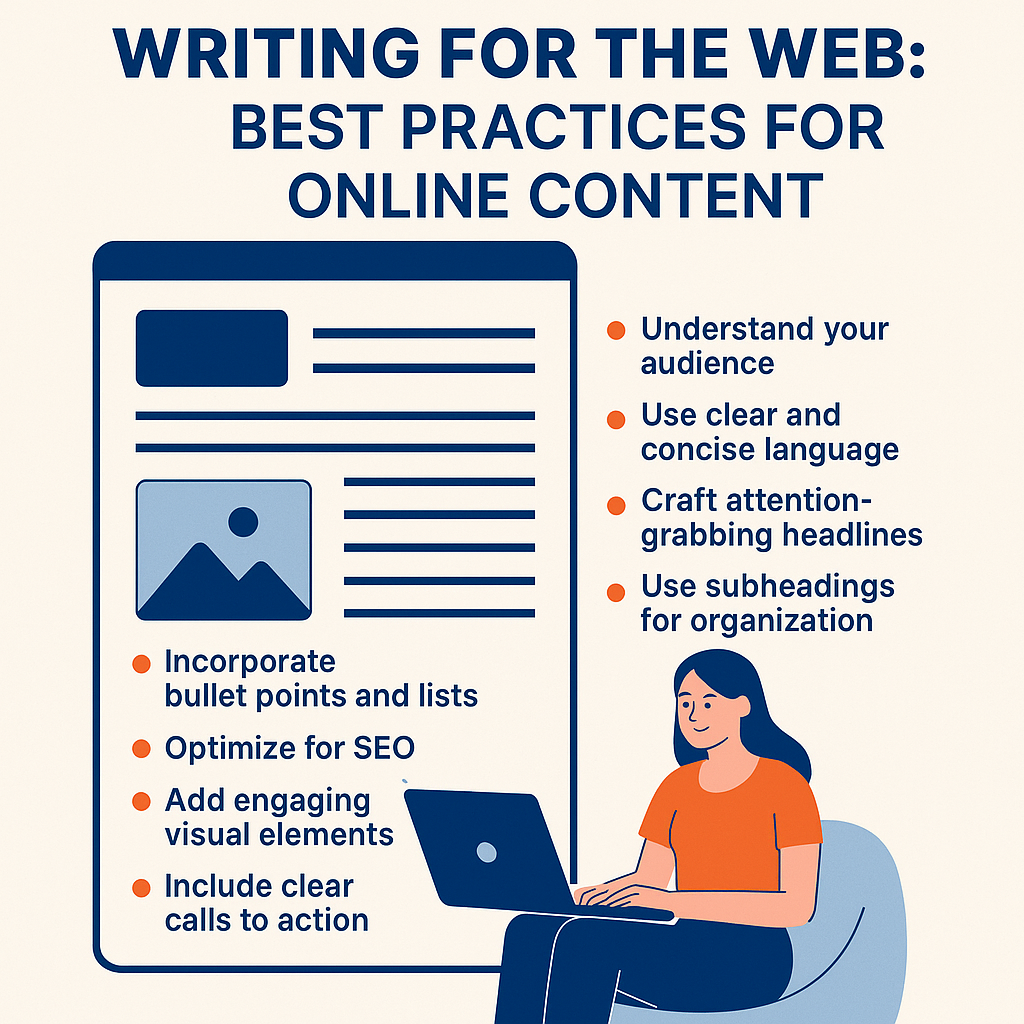
Writing for the web is different from writing for print publications or academic assignments. Online readers often skim content, looking for quick answers and engaging information. To capture and retain your audience’s attention, you need to structure your content effectively and write in a clear, concise, and engaging style. This article will explore best practices for creating high-quality online content that resonates with web readers.
Understand Your Audience
Before you start writing, it’s essential to understand who your audience is. Consider the following questions:
- Who will read this content?
- What are their interests and needs?
- What problems are they trying to solve?
- What tone and language will resonate with them?
Tailoring your content to your audience ensures relevance and improves engagement.
Use Clear and Concise Language
Web readers typically scan content rather than read every word. To accommodate this reading style:
- Use short sentences and paragraphs.
- Avoid jargon and complex vocabulary.
- Get straight to the point.
- Use active voice to make sentences more direct.
Example:
Instead of saying, “The article provides information regarding methods of improving writing efficiency,” say, “This article offers tips to improve writing efficiency.”
Craft Attention-Grabbing Headlines
Your headline is often the first thing readers see. A strong headline should:
- Be clear and specific.
- Include relevant keywords for SEO.
- Spark curiosity or highlight a benefit.
- Be concise (ideally under 70 characters).
Example of a strong headline:
“10 Proven Ways to Boost Your Writing Productivity”
Use Subheadings for Organization
Breaking your content into sections with clear subheadings helps readers navigate your article easily. Subheadings:
- Make your content skimmable.
- Improve readability.
- Help with SEO when using relevant keywords.
Use H2 and H3 headings to organize information hierarchically.
Incorporate Bullet Points and Numbered Lists
Lists are easy to scan and help present information clearly. Use bullet points or numbered lists for:
- Steps in a process
- Features and benefits
- Tips and recommendations
This format makes complex information more digestible.
Optimize for SEO
Search Engine Optimization (SEO) ensures that your content ranks well on search engines. Key SEO practices include:
- Using relevant keywords naturally.
- Writing descriptive meta descriptions.
- Including internal and external links.
- Optimizing image alt text.
- Using keyword-rich headings.
However, avoid keyword stuffing. Your priority should be writing for humans, not just search engines.
Add Engaging Visual Elements
Images, infographics, and videos can enhance your content and make it more engaging. Visuals help:
- Break up large blocks of text.
- Illustrate key points.
- Increase time spent on the page.
Ensure all visuals are high-quality and relevant to the topic.
Write Compelling Introductions
Your introduction should quickly capture the reader’s attention and explain what the article will cover. Consider starting with:
- A surprising fact or statistic
- A question
- A brief anecdote
- A problem your article will help solve
A strong introduction encourages readers to continue scrolling.
Include Clear Calls to Action (CTAs)
At the end of your content (or within the body if appropriate), include a clear call to action. CTAs prompt readers to:
- Subscribe to a newsletter
- Share the article
- Leave a comment
- Download a resource
- Contact your business
Make sure your CTA aligns with your content’s purpose.
Focus on Mobile-Friendly Formatting
With a significant percentage of web traffic coming from mobile devices, your content must be mobile-friendly. Best practices include:
- Short paragraphs
- Large, readable fonts
- Adequate line spacing
- Responsive images
Mobile-optimized content improves user experience and SEO.
Edit and Proofread Thoroughly
Before publishing, carefully edit and proofread your content to eliminate grammar mistakes, spelling errors, and formatting issues.
Consider these steps:
- Use grammar checking tools.
- Read your content aloud.
- Double-check links and images.
Polished content builds trust and professionalism.
Keep Updating Your Content
Online content should be updated regularly to stay relevant and accurate. Schedule periodic reviews to:
- Refresh outdated information.
- Update links.
- Add new insights or developments.
Fresh content signals to search engines that your site is active and valuable.
Creating Content That Connects
Writing for the web requires a balance of clarity, engagement, and SEO awareness. By applying these best practices, you’ll create content that attracts readers, keeps them engaged, and drives the desired actions.
Remember, the web is full of competing content. High-quality, user-focused writing is the key to standing out.