
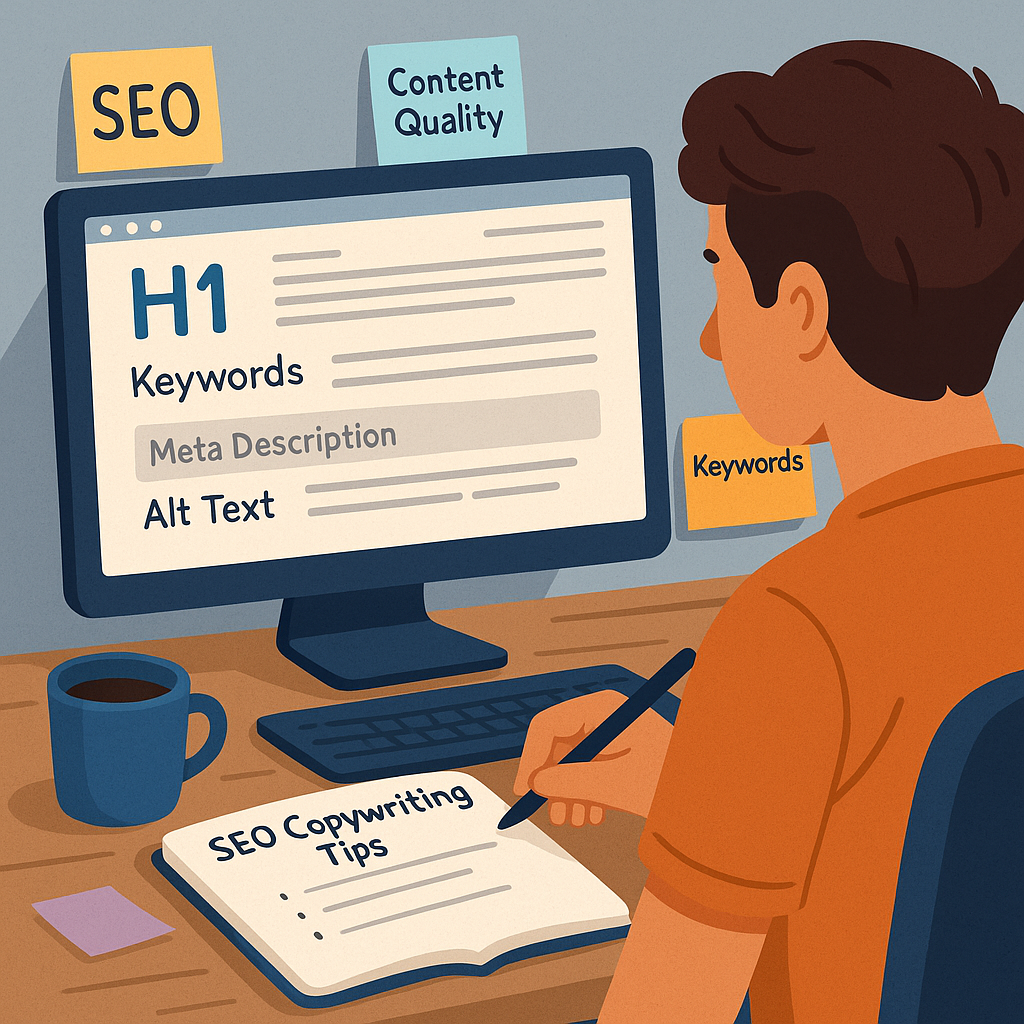
In the digital age, visibility on search engines like Google is essential for any business or website. This is where the combination of SEO (Search Engine Optimization) and copywriting comes into play. When done correctly, SEO copywriting helps your content rank higher in search engine results while keeping readers engaged.
In this article, you’ll learn how to blend SEO techniques with persuasive copywriting to create content that both Google and your audience will love.
What Is SEO Copywriting?
SEO copywriting is the practice of creating content that is both optimized for search engines and engaging for human readers. It involves strategically placing keywords and optimizing structure without sacrificing readability or quality.
The goal is simple:
Attract traffic from search engines while keeping visitors interested enough to take action.
Key Elements of Effective SEO Copywriting
1. Keyword Research
Before writing, identify relevant keywords that your target audience is searching for.
Tools you can use:
- Google Keyword Planner
- SEMrush
- Ahrefs
- Ubersuggest
Tips:
- Focus on long-tail keywords (phrases with 3+ words) for better targeting.
- Analyze keyword competition and search volume.
- Use keywords that align with user intent.
2. Strategic Keyword Placement
Place your target keywords naturally in key areas:
- Title (H1)
- Meta description
- First 100 words of the content
- Headings (H2, H3)
- Image alt text
- URL slug
- Throughout the body (without keyword stuffing)
Example:
If your keyword is “best SEO practices,” your title could be:
“10 Best SEO Practices for Higher Google Rankings”
3. Write Engaging Meta Descriptions
Meta descriptions appear in search engine results below the page title. Although they don’t directly affect rankings, they influence click-through rates.
Tips for meta descriptions:
- Keep it under 160 characters
- Include the main keyword
- Make it persuasive and action-oriented
Example:
“Discover 10 best SEO practices that will help boost your Google rankings and drive more traffic to your site.”
4. Create Valuable and Relevant Content
Google rewards content that provides real value to users.
Ways to add value:
- Answer common questions
- Provide step-by-step guides
- Include statistics and research
- Offer practical tips
5. Optimize for Readability
Readable content keeps visitors on your page longer, reducing bounce rates.
Techniques:
- Use short paragraphs
- Include bullet points and numbered lists
- Add descriptive subheadings
- Use simple language
- Incorporate images, infographics, and videos when appropriate
6. Improve Page Loading Speed
Site speed is a ranking factor for Google.
Tips:
- Compress images
- Use a reliable hosting provider
- Minimize JavaScript and CSS
- Leverage browser caching
7. Focus on Mobile Optimization
With most users browsing on mobile devices, your content must look great on all screen sizes.
Tips:
- Use responsive design
- Ensure fonts are readable on small screens
- Optimize mobile loading times
8. Internal and External Linking
Link to relevant pages within your own website (internal links) and to authoritative external sources (external links).
Example:
“When writing SEO-friendly blogs, using tools like Google Keyword Planner can help you target the right keywords.”
9. Use LSI Keywords (Latent Semantic Indexing)
These are related terms and synonyms that help search engines understand your content better.
Example:
For the primary keyword “SEO tips,” LSI keywords could include “search engine optimization,” “Google ranking,” and “website traffic.”
10. Optimize Images with Alt Text
Always include descriptive alt text for images, using keywords where relevant. This helps with image search rankings and improves accessibility.
11. Craft Engaging CTAs (Calls-to-Action)
End your content with a clear CTA that encourages readers to take the next step, such as:
- Downloading a resource
- Subscribing to a newsletter
- Making a purchase
- Reading a related article
Common SEO Copywriting Mistakes to Avoid
- Keyword stuffing: Overusing keywords can lead to penalties.
- Ignoring user intent: Always align content with what users are looking for.
- Publishing low-quality content: Focus on value and relevance.
- Neglecting meta tags and descriptions: Every page needs optimized meta information.
- Forgetting about mobile users: Ensure your site is fully responsive.
Tools to Help with SEO Copywriting
- Yoast SEO: For WordPress users to optimize on-page SEO.
- Grammarly: To improve grammar and readability.
- Google Search Console: To monitor site performance.
- Hemingway Editor: For enhancing readability.
- Answer The Public: For keyword ideas based on popular search queries.
Long-Term Benefits of Combining SEO with Copywriting
By mastering SEO copywriting, you’ll:
- Improve your website’s visibility on search engines
- Attract more organic traffic
- Increase engagement and time on site
- Generate more leads and conversions
- Build authority and trust with your audience
Invest time in learning and applying these techniques, and your content will not only rank well but also resonate with your readers.