
Whether you’re crafting an essay, preparing a persuasive presentation, or creating impactful content for your blog, your ability to build solid arguments can significantly determine your success. Arguments form the backbone of persuasive writing, influencing how effectively your message is received by your audience. Understanding the art and structure behind compelling arguments can elevate your writing from ordinary to exceptional, making your points more convincing and your content more engaging.
Understanding the Basics of a Solid Argument
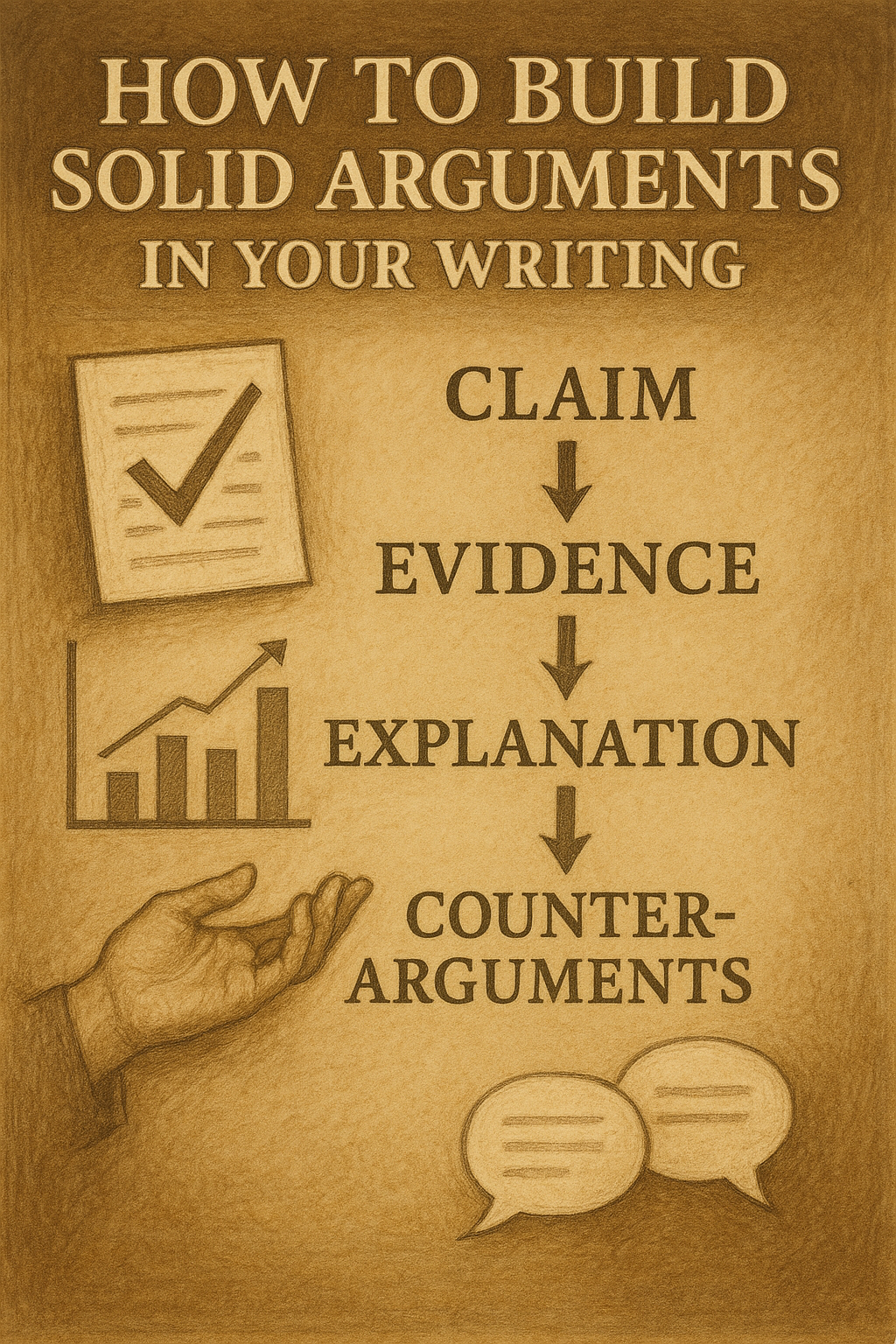
Before diving into the nuances, it’s essential to clarify what constitutes a solid argument. A strong argument is a structured set of reasons designed to support a particular viewpoint or claim. It typically consists of:
- Claim: The main point or thesis you’re trying to prove.
- Evidence: Facts, statistics, examples, and expert testimonies supporting your claim.
- Explanation: Analysis or interpretation of how the evidence supports your claim.
- Counterarguments: Addressing and refuting opposing viewpoints to strengthen your position.
Steps to Constructing a Strong Argument
Step 1: Clearly Define Your Claim
Your argument must start with a clear, concise statement of your main idea or opinion. Vague or ambiguous claims can weaken your argument from the start. Consider the difference between these two statements:
- Weak: “Social media can be problematic.”
- Strong: “Excessive social media use negatively impacts mental health by increasing anxiety and reducing self-esteem.”
The stronger claim clearly indicates a position and sets the stage for supporting arguments.
Step 2: Provide Relevant Evidence
Effective arguments require credible, relevant evidence. Evidence may include:
- Statistical Data: Numbers, percentages, and measurable outcomes.
- Expert Opinions: Quotes and insights from authorities in the field.
- Examples: Specific instances or case studies illustrating your points.
- Anecdotal Evidence: Personal stories or experiences that support your claim.
Ensure your evidence is accurate, credible, and directly supports your claim to maintain your argument’s integrity.
Step 3: Explain How Your Evidence Supports Your Claim
Simply presenting evidence isn’t enough. Clearly explain the connection between your evidence and your claim. This helps readers understand your reasoning and strengthens your overall argument.
For example:
- Evidence: “Studies show a correlation between social media use and anxiety.”
- Explanation: “This demonstrates that frequent exposure to idealized images online can trigger comparisons and negative self-evaluation, fueling anxiety.”
Step 4: Acknowledge and Refute Counterarguments
Anticipating and responding to opposing views demonstrates the strength of your argument and enhances your credibility. Presenting counterarguments and clearly addressing their limitations shows readers you’ve thoroughly considered multiple perspectives.
For instance:
- Counterargument: “Social media helps people stay connected and reduces isolation.”
- Refutation: “While social media can promote connectivity, excessive use has been shown to increase feelings of loneliness due to superficial interactions replacing meaningful face-to-face relationships.”
Techniques for Enhancing Your Arguments
Logical Flow
Maintain logical coherence throughout your writing by ensuring your points flow smoothly from one to the next. Transition phrases like “however,” “furthermore,” “for instance,” and “consequently” guide readers seamlessly through your argument.
Emotional Appeals (Pathos)
While logic (logos) is critical, don’t underestimate emotional appeal. Skillfully integrated emotional narratives or examples help resonate more deeply with your audience, making your arguments more compelling.
Ethical Appeal (Ethos)
Establish your credibility and authority on the topic. Cite reputable sources, showcase your expertise, and maintain transparency in your arguments. Your trustworthiness strengthens your position.
Avoiding Common Argumentative Pitfalls
Even experienced writers can stumble. Here are common pitfalls and how to avoid them:
- Fallacies: Avoid logical fallacies like false dilemmas, straw man arguments, and circular reasoning. They weaken your credibility.
- Overgeneralizations: Stay precise and specific, providing sufficient evidence for every claim you make.
- Ignoring Opposing Views: Address counterarguments fairly and accurately, demonstrating integrity and respect for your audience.
Practical Tips for Strengthening Arguments
Use the Toulmin Method
The Toulmin method is a practical approach to structuring arguments clearly:
- Claim: Clearly state your main argument.
- Grounds: Provide evidence supporting your claim.
- Warrant: Explain the connection between your claim and your evidence.
- Backing: Provide additional support for your warrant if needed.
- Qualifier: Specify any limitations or conditions of your argument.
- Rebuttal: Acknowledge opposing views and refute them effectively.
Practice Critical Thinking
Improve your argumentative writing by developing strong critical thinking skills. Analyze existing arguments critically, noting strengths and weaknesses. This practice enhances your analytical abilities, enabling you to build stronger arguments in your writing.
Peer Review and Feedback
Regularly seek feedback from peers or mentors. External perspectives can highlight areas needing clarification or additional support, ultimately refining your argumentative skills.
Why Building Solid Arguments Matters
Mastering argumentation can elevate various areas of your professional and personal life, from academic papers and business reports to persuasive marketing campaigns and everyday communication. Strong arguments are persuasive, memorable, and impactful, allowing you to confidently advocate for your ideas, influence others, and achieve meaningful results.
By consistently applying these techniques, understanding common pitfalls, and diligently refining your approach, you can transform your writing into powerful tools of persuasion and influence.